- News
- No Comment
US: Senate chair criticizes Mnangagwa’s CAB3 power grab

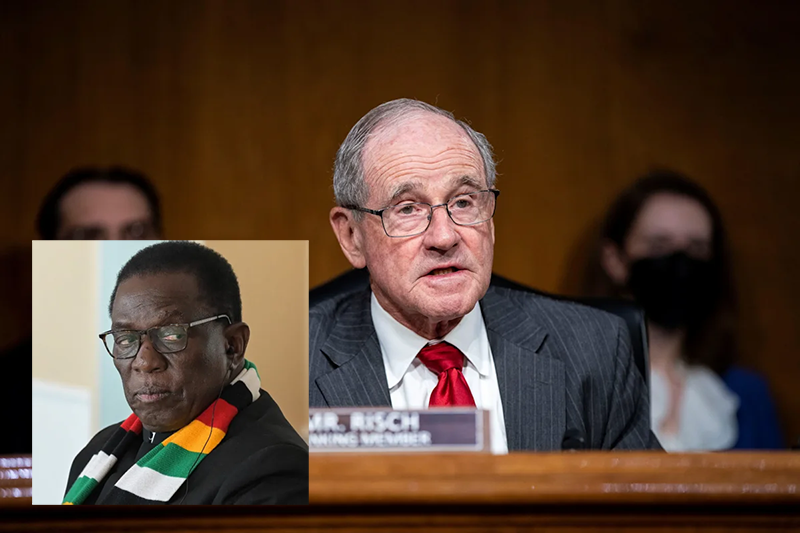
By semafor.com
Zimbabwe’s leadership is facing fresh scrutiny in Washington as the country moves to finalize a constitutional amendment extending the President Emmerson Mnangagwa’s term until 2030.
Both chambers of the Zimbabwean Parliament have now approved it, clearing the way for President Mnangagwa to sign the bill into law.
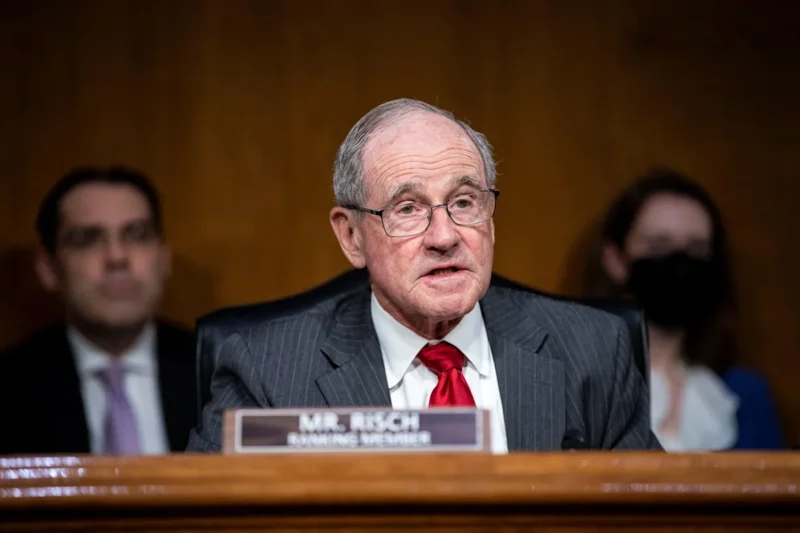
That’s not sitting well with Senator. Jim Risch, R-Idaho, the Republican chairman of the powerful Senate Foreign Relations Committee, who told Semafor that “Mnangagwa has consistently signalled his intent to hold on to power beyond any legal or constitutional limits.”
Mnangagwa is already facing pressure in Washington, having been placed under new US sanctions in 2024 over corruption and human rights abuses, but it’s possible the latest moves could trigger further action.
Risch added: “No one is blind to what is going on here, nor the corruption and abuse taking place in Zimbabwe under his leadership.”
Rep. Gregory Meeks, D-N.Y., the top Democrat on the House Foreign Affairs Committee, urged Mnangagwa not to repeat the mistakes of Robert Mugabe, who clung to power in the country for 37 years.
“Respecting current term limits could solidify President Mnangagwa’s legacy as a leader brave enough to break with this precedent and elevate the voices of the Zimbabwean people,” he said.
The Constitutional amendments, which also scrap direct presidential elections, have been sharply criticised by opposition figures in the country where 83-year-old Mnangagwa’s Zanu-PF party holds a parliamentary majority.
The National Assembly voted 226 to 41, the speaker announced, to accept the changes proposed by the Senate when it agreed to the new legislation on June 24.
The raft of changes – labelled a “constitutional coup” by critics – includes a provision that would extend the presidential and parliamentary terms from five to seven years.
This means that the last of Mnangagwa’s constitutionally limited two terms would be extended until 2030.
Another amendment gives parliament the power to appoint the president, doing away with direct presidential elections that were introduced in 1987, seven years after independence.