- Featured
- No Comment
LONDON: Zimbabwe denies liability in High Court row over $100m Libya debt

By Agencies
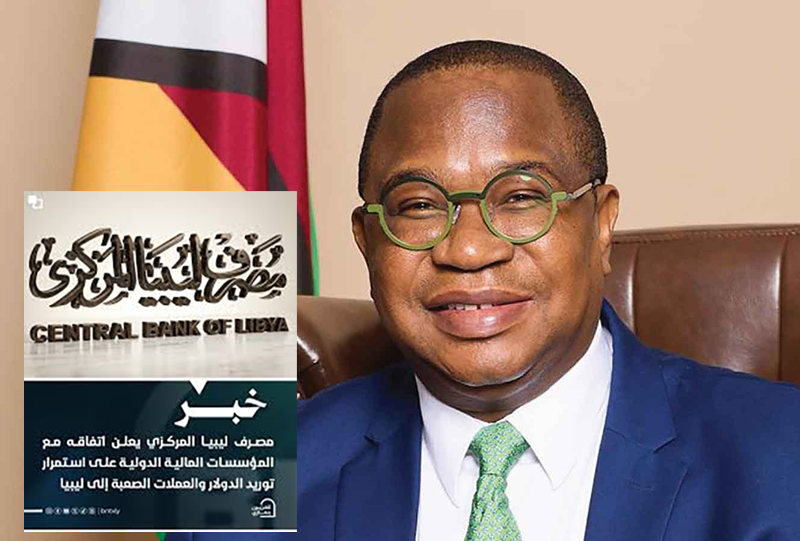
LONDON: Zimbabwe’s minister of finance has denied liability in a claim by Libya’s central bank for $102 million over an unpaid loan to a Zimbabwean state-owned fuel distribution company, arguing that the case is time-barred.
Mthuli Ncube, Zimbabwe’s current minister of finance and investment, said in his defence at the High Court that he is not on the hook for a 2001 loan arrangement guaranteed by his predecessor, Simba Makoni.
Ncube said that it was the bank’s own case that the debt fell due for payment no later than the end of August 2002.
“In those circumstances the claim against the minister is time-barred,” Ncube said in his defence dated March 5, which has now become public.
Libyan Foreign Bank, a subsidiary of the Central Bank of Libya, sued Ncube and the National Oil Infrastructure Co. of Zimbabwe Ltd. — a subsidiary of Zimbabwe’s sovereign wealth fund — in October.
Libya’s central bank took action over alleged debts and interest stemming from a $90 million loan arrangement to finance Zimbabwe’s imports of refined oil products.

The central bank alleged that the oil company withdrew $42.2 million under the credit facility but failed to repay it by the due date.
It claimed that the debt was acknowledged by executives of the Commercial Bank of Zimbabwe, which was acting as the Libyan lender’s agent, and Zimbabwe’s central bank in correspondence going up to 2023.
Libyan Foreign Bank is seeking the principal amount of $42.2 million and more than $60 million in accrued interest, according to its claim. It is also seeking costs.
The minister said in his defence that the Libyan lender could contend the claim is not time-barred because its right of action accrued on the dates of subsequent payments and acknowledgments.
He argued that the last repayment was made in 2005 and that, as such, the claim cannot be “revived.”
The minister said that, in any event, the purported acknowledgments did not happen on behalf of the state. The Zimbabwe banking executives had no “actual or apparent authority” on behalf of the state to send the correspondence.
The case continues and neither side immediately responded to a requests for comment.