- Crime and Courts
- No Comment
POLAND: Zimbabwean national deported after brutal Lublin attack

By Agencies
A Zimbabwean citizen who seriously injured a Polish man during an assault in the eastern city of Lublin has been deported from Poland following public outrage and political pressure from the Polish right, including the Konfederacja and Law and Justice (PiS) parties.
According to media reports, the man has already been expelled from the country after authorities reversed an earlier decision not to seek his removal.
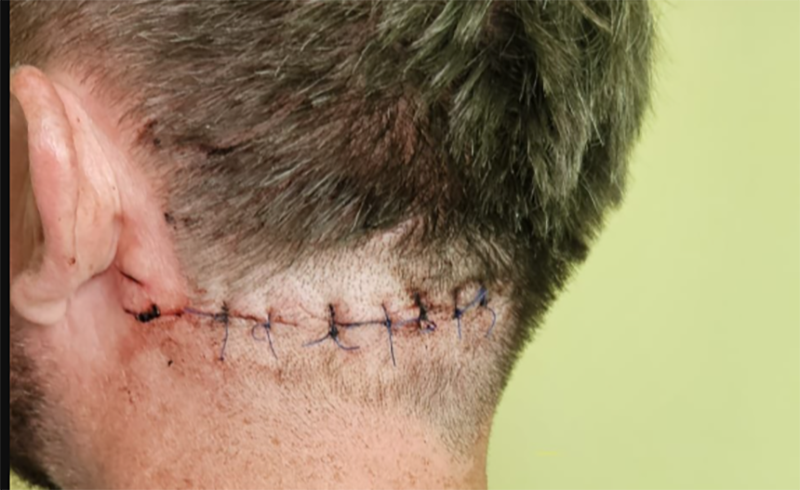
The incident, which drew national attention to the eastern Polish city, took place at the end of May during Lublin’s Africa Day celebrations. According to witness accounts and local media reports, the 41-year-old Zimbabwean attacked a 40-year-old Polish citizen by striking him on the back of the neck with a glass bottle.
The blow landed only centimetres from a major artery and initially raised fears that the victim had suffered a spinal cord injury. Although the man required hospital treatment and surgery, subsequent medical examinations confirmed that his spinal cord had not been damaged.
The attacker, who was reportedly intoxicated at the time, worked as a DJ in Warsaw and had travelled to Lublin for the festival.
The case quickly became politically controversial after reports emerged that authorities had initially classified the incident as a lower-level criminal offence rather than attempted murder, meaning the suspect would neither be detained nor deported.
The decision triggered criticism from opposition politicians, particularly from the right-wing Konfederacja party. Its co-chair and Deputy Speaker of the Sejm, Krzysztof Bosak, publicly intervened in the case and questioned why the suspect had not been referred for deportation proceedings. He also sent a letter to the prosecutor’s office regarding the charges brought against the suspect.
In a post on X on Monday, 8 June, Bosak welcomed the decision to deport the attacker.
The case also drew attention to Lublin’s internationalization strategy. The city, one of Poland’s most important academic centres, has seen a significant increase in the number of foreign students in recent years.
🇵🇱🇿🇼 A Zimbabwean who assaulted a 40-year-old Polish citizen in Lublin has been deported.
The Zimbabwean, who was intoxicated at the time, attacked the Polish man by striking him on the back of the neck with a glass bottle, only centimetres away from an artery.
The Pole was… pic.twitter.com/F5RKiskuiM
— Visegrád 24 (@visegrad24) June 8, 2026
While local officials have highlighted the economic and educational benefits of international enrolment, Konfederacja and PiS have criticized the policy, arguing that the student visa system is increasingly being used as a backdoor to uncontrolled mass migration. In recent years, a growing number of foreign students have also arrived in Poland, accompanied by spouses and other family members.
Zimbabweans are among the fastest-growing foreign-national groups in Lublin, constituting the city’s third-largest foreign community after Ukrainians and Belarusians. According to data cited by local officials, around 1,200 Zimbabwean nationals currently reside in the city.
The latest assault has further intensified scrutiny of migration policies, particularly because it is not the first serious criminal case involving a Zimbabwean national in Lublin. In 2024 police detained a 39-year-old Zimbabwean man suspected of raping a 15-year-old girl.
The speed of the deportation itself is a clear example of how European Union member states should respond to migrants on visas who pose a threat to public order and security. In most member states, such removals are typically preceded by lengthy criminal and administrative proceedings.
In Poland, however, authorities possess broad powers to expel foreigners deemed a threat to public order. Under the current legal framework, the Border Guard may issue return decisions against third-country nationals and, in certain circumstances, order their immediate removal.
As a result of efforts by right-wing factions in the European Parliament—including Patriots for Europe (PfE), the European Conservatives and Reformists (ECR), Europe of Sovereign Nations (ESN), and the European People’s Party (EPP)—the European Union itself is moving towards a significantly tougher common deportation policy, closer to the framework already in place in Poland.
Last week, negotiators from the European Parliament and member states reached a political agreement on the new Return Regulation, which introduces stricter obligations for migrants to cooperate with return procedures, detention periods of up to 24 months, limits on the use of legal appeals to delay removals, and a new European Return Order designed to facilitate the enforcement of deportation decisions across the bloc. The agreement also establishes a legal framework for return hubs outside the European Union.