- Travel
- No Comment
Mana Pools closed after floods cut off access to Zimbabwe’s safari park

By Agencies
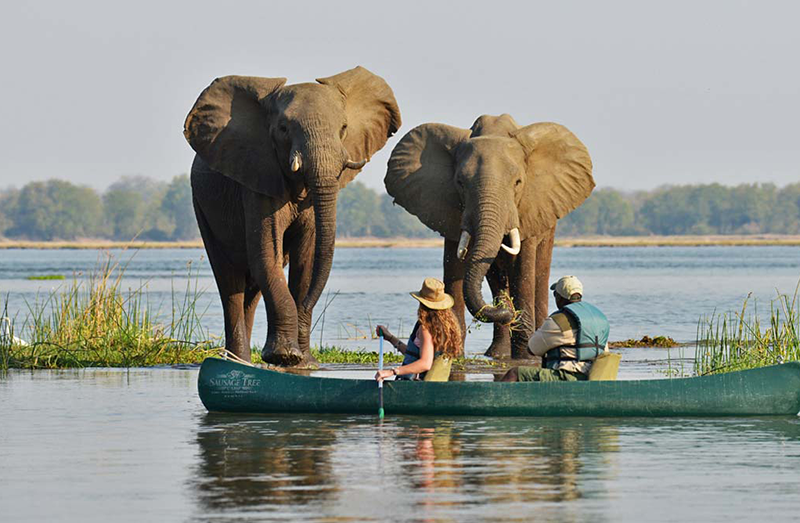
For many travellers, Mana Pools is not just another safari stop. It is the kind of place you plan an entire trip around. A place where elephants wander through winter light and walking safaris feel raw, close, and unforgettable.
Right now, though, that dream is on pause.
According to travelnews.africa, Zimbabwe’s Parks and Wildlife Management Authority has confirmed that Mana Pools National Park is officially closed after heavy flooding across the Zambezi Valley severely damaged access routes. And this is not a short-term inconvenience. It is an indefinite shutdown, with no reopening date in sight.
Roads washed away, access cut off
The situation on the ground is more serious than many travellers may expect. According to ZimParks, most routes into Mana Pools are currently unusable.
The Rukomechi Bridge has been partially destroyed, while sections of road beyond the Runese River have been completely washed out. Other entry points have also been affected, leaving the park effectively cut off.
Authorities have made it clear that self-driving visitors should not attempt to reach the park. This is not a soft warning. It is a firm directive aimed at preventing travellers from getting stranded in remote areas where assistance would be difficult to reach.
A harsh reminder of nature’s power
There is an irony here that seasoned safari travellers will recognise. Mana Pools owes its beauty to the Zambezi River and its seasonal rhythms. Floodplains shift, water rises and falls, and wildlife follows.
But those same natural systems can turn quickly.

This year’s rains have been particularly intense, overwhelming infrastructure that is usually resilient enough to handle seasonal flooding. It is a reminder that even the most iconic destinations in Africa remain shaped by forces far beyond human control.
What it means for travellers right now
For visitors with bookings in March and April 2026, ZimParks has opened support channels through its bookings office. Travellers are being offered options such as rescheduling or credit notes.
Travel professionals are encouraging clients to act sooner rather than later. Waiting for clarity may sound tempting, but with no reopening timeline available, early adjustments will likely lead to better outcomes.
On social media, reactions have been mixed but understanding. Some travellers have shared disappointment, especially those who had planned long-awaited walking safaris. Others have taken a more philosophical view, pointing out that this unpredictability is part of what makes African wilderness experiences so real.
Why Mana Pools matters so much
Mana Pools is not just another national park. Its UNESCO World Heritage status reflects its global importance, both for wildlife and for its relatively untouched ecosystems.
The park is especially famous for its walking safaris, offering a rare chance to experience wildlife at eye level. Add to that large elephant populations and a rich mix of species, and it becomes clear why so many travellers prioritise it over more commercial destinations.
When could it reopen?
The honest answer is that no one knows yet.
The phrase “until further notice” signals that authorities are still assessing the damage. Repairs to bridges and roads in remote regions take time, and safety remains the priority.
For now, travel experts are advising visitors to shift plans to the dry season, typically from June to October. This period not only offers more reliable access but also delivers some of the best wildlife viewing conditions in southern Africa.
A pause, not the end
If anything, this moment highlights why Mana Pools continues to hold such a special place in Africa’s safari landscape. It is wild, unpredictable, and deeply connected to the natural cycles of the Zambezi.
The closure is frustrating, yes. But it is also temporary.
And when the roads reopen and the floodwaters retreat, Mana Pools will still be there. Waiting, as it always has, for travellers willing to meet it on its own terms.