- Diaspora
- No Comment
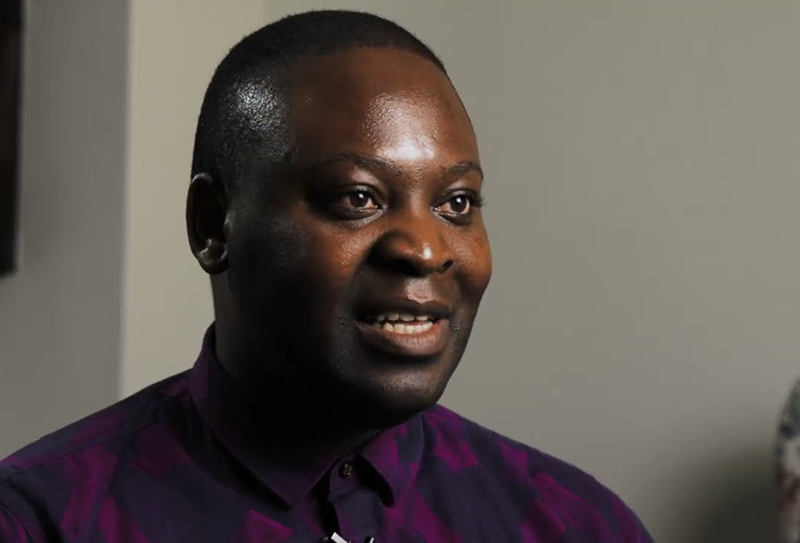
US: From Zimbabwe to BYU – Sidney Sithole Investigates HIV Mechanisms

By Agencies
Growing up in Zimbabwe, where an HIV diagnosis was often a death sentence, Sidney Sithole (MMBIO ’27) became determined to understand how a small virus, only around 120 nanometers, could cause such devastation.
He spent five years working with the University of Zimbabwe Clinical Trials Research Center (UZ-CTRC) as a medical laboratory scientist for multiple departments, including immunology, where he performed tests to support HIV-1 clinical vaccine trials.
“I developed and presented research concepts at scientific meetings,” Sithole shares. “I was awarded a scholarship that provided mentorship from leading scientists in the field.”
These experiences deepened his drive to investigate how research could address pressing health challenges such as HIV. When he discovered the research of BYU microbiology and molecular biology professor Brad Berges, he applied to BYU to join Berges’ lab, where he now investigates the mechanisms of HIV, conducting research with the potential to impact lives across the globe.
Human immunodeficiency virus (HIV) attacks the immune system and, if untreated, often progresses to acquired immunodeficiency syndrome (AIDS). Yet, Sithole notes that, “Not everyone develops AIDS, even without treatment.”
When he joined the Berges Lab, students were already investigating why some individuals—or in this case, some viral strains—halt this progression. Solving that puzzle could reshape how scientists understand one of the world’s deadliest infectious diseases and open new avenues for prevention and treatment.

During their research, Sithole and his team identified a mutant strain of HIV that behaves differently from the standard virus. Instead of causing disruptive, inflammatory cell death, this strain triggers apoptosis, the more subtle, regulated process the body uses to remove damaged cells. That difference is crucial. In standard HIV infections, the inflammatory cell death sends constant alarm signals to the immune system.
Over time, this chronic inflammation gradually exhausts and weakens the immune system, ultimately resulting in AIDS. With the mutant strain, infected cells die quietly, without triggering inflammation. Because the immune system is not being constantly activated and worn down, the infection does not progress to AIDS.
Understanding the unusual behaviour of this HIV strain is only the first step. Now, Sithole wants to uncover the mechanisms behind it.
“Understanding that can give us clues on what we can target in terms of antiviral therapy,” he explains.
His team has already identified the involvement of BCL2, a gene that normally prevents apoptosis. In this mutant strain, however, affected cells are unable to increase BCL2 expression, allowing apoptosis to proceed and delaying disease progression.
“By small and simple things—studying the biology of HIV, of any disease,” Sithole shares, “it opens up understanding of other disease mechanisms.”
Because BCL2 is also a key gene in many cancers, he hopes their ongoing research will not only advance therapeutic strategies for HIV but also shed light on the role of BCL2 in cancer.
Sithole’s research in the Berges Lab recently won first in the microbiology and molecular biology category at the Life Sciences Research Conference.
“It means a lot that my work is being recognized—all those late nights and many, many hours in the lab paying off,” he reflects.
“It made me feel that people care about what I’m doing.”
He emphasizes the gratitude he has for all the individuals who have supported and worked with him to make this research possible.

Looking back, Sithole shares how studying the smallest complexities of biology has strengthened his faith. “Biologists have faith because we work with things so small you can’t see them,” he says.
“It has helped me increase my faith and understand how Heavenly Father is indeed great.”
He finds it rewarding to contribute research that impacts so many lives. Sithole recognizes that HIV is often judged morally as a sexually transmitted disease, leading to stigma and blame.
But, as he emphasizes, the reality is far more complex: “There are children born with these infections. More than three million children are infected with HIV, and they are innocent. They did not ask for this disease, and yet they have it.”
For Sithole, understanding the complexities and individual experiences with diseases such as HIV is crucial. Even the smallest viruses, as he learned growing up, can have enormous impacts and demand deeper understanding.
Each step he takes in the lab reflects his desire to replace fear and stigma with compassion and knowledge. As he continues this research, he hopes that deeper understanding will lead to better treatments and a future where fewer lives are shaped by this devastating virus.