- Diaspora
- No Comment
IRELAND: Zim tribal divisions feature in court – Ndebele asylum seeker claims Shona interviewer biased against her; judge agrees

By The Irish Times
DUBLIN: The handling of a Zimbabwean woman’s application for international protection by a Zimbabwean individual from a different ethnic group gave rise to a flawed decision to refuse the woman protection, a judge has ruled.
The woman, of Ndebele ethnicity, claimed she fled her country due to persecution or serious harm at the hands of her partner, a Zimbabwean national of Shona ethnicity. She alleged that her boyfriend was physically and sexually violent towards her.
Further to this, she claimed that her boyfriend was an informant for the country’s ruling Zanu-PF party, and enjoyed police connections arising from a shared Shona ethnicity. Due to this, she was refused protection when she sought police protection, she alleged.
The woman and her daughter arrived in Ireland in 2023 and sought international protection, but their application was refused.
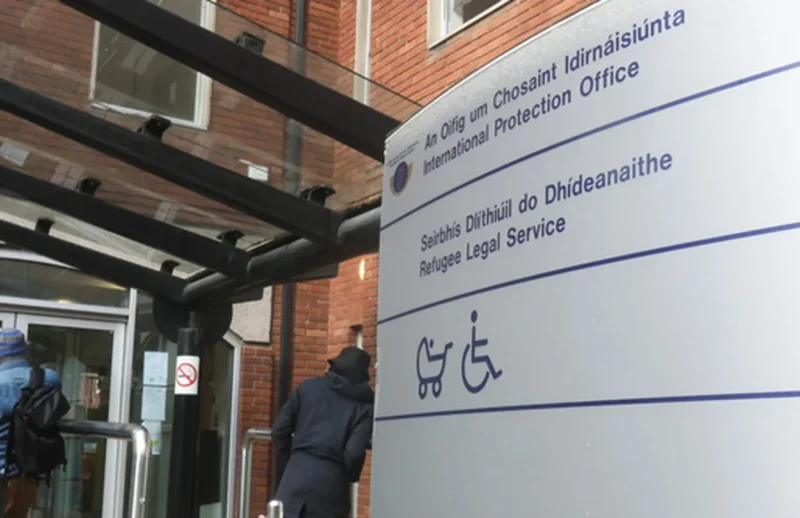
The International Protection Office (IPO) concluded that it was credible that the woman suffered domestic violence, but not credible that she could not obtain State protection in Zimbabwe.
The woman brought a lawsuit against the IPO and the Minister for Justice, claiming the consideration of her application was flawed due to “cultural insensitivity, perceived bias, oppressive interviewing”, among other reasons.
These claims arose in circumstances where an interview conducted as part of the application was conducted by a Zimbabwean individual of Shona ethnicity.
The woman alleged that due to “deep ethnic tensions” between Shona and Ndebele people, and because her abuse and the country’s police force were Shona, she felt “pressured, constrained and unable to speak openly”, “experienced re-traumatisation” and found the interviewer’s questions “oppressive”.
Judge Siobhán Phelan last week ruled that refusal of the woman’s application for protection was based on a flawed process.
Lawyers for the State said it was not disputed that the interviewer was of Shona ethnicity, but argued that this did not disqualify her from conducting interviews with applicants of Ndebele ethnicity.
It was further argued that the woman made no complaint at the time of the interview in relation to the interviewer’s nationality or ethnicity. It was the woman’s case that she raised the issue shortly after the interview with a solicitor she engaged, and that she sent a letter to the IPO outlining her concerns.
In a judgment published on Thursday, the judge said that the nationality and ethnicity of a decision-maker is normally not a relevant consideration in “most decision-making contexts”.
“Real and substantive” concerns
However, the judge said, the nationality and ethnicity of the decision-maker dealing with a claim for international protection “has the potential to assume a special significance if there are concerns relevant to the protection claim connected with nationality or ethnicity”.
The judge said the International Protection Act 2015 provides that applicants are facilitated in setting out the full details of their claim for protection, and that the decision-making process is protected from bias.
The judge said an applicant is also entitled to have a decision-maker make a decision on protection by relying on independent and objective information.
The judge noted that a solicitor’s letter sent to the IPO on behalf of the woman – outlining her “real and substantive” concerns with the interview – was not responded to, and a report outlining the refusal of the woman’s application made no reference to those concerns.
Arising from this, the judge said she was not satisfied that the interviewer had all relevant material before her when she made the decision refusing protection.
The judge further stated that the concerns raised in the solicitor’s letter warranted a response, or an explanation on behalf of the IPO as to how the concerns were dealt with.
Given the particular circumstances of the woman’s claim, the involvement of other people from her country of origin in the decision-making process has the potential to undermine the integrity of that process by hampering the woman’s ability to present her application in a “comprehensive manner”, or gives rise to issues of bias, either real or perceived, the judge said.
The judge also said there was no evidence before her that the IPO has provided training to interviewers regarding circumstances when they should recuse themselves from certain international protection cases.
The judge concluded that the refusal of the woman’s application for protection was flawed and should be quashed.