- World & Africa
- No Comment
Zimbabwe included as Trump expands travel ban and restrictions to additional 20 countries


By Associated Press
WASHINGTON: The Trump administration announced Tuesday it was expanding travel restrictions to an additional 20 countries including Zimbabwe, doubling the number of nations affected by sweeping limits announced earlier this year on who can travel and emigrate to the U.S.
The Trump administration included five more countries as well as people traveling on documents issued by the Palestinian Authority to the list of countries facing a full ban on travel to the U.S. and imposed new limits on 15 other countries.
The move is part of ongoing efforts by the administration to tighten U.S. entry standards for travel and immigration, in what critics say unfairly prevents travel for people from a broad range of countries.
The administration suggested it would expand the restrictions after the arrest of an Afghan national suspect in the shooting of two National Guard troops over Thanksgiving weekend.
People who already have visas, are lawful permanent residents of the U.S. or have certain visa categories such as diplomats or athletes, or whose entry into the country is believed to serve the U.S. interest, are all exempt from the restrictions. The proclamation said the changes go into effect on Jan. 1.
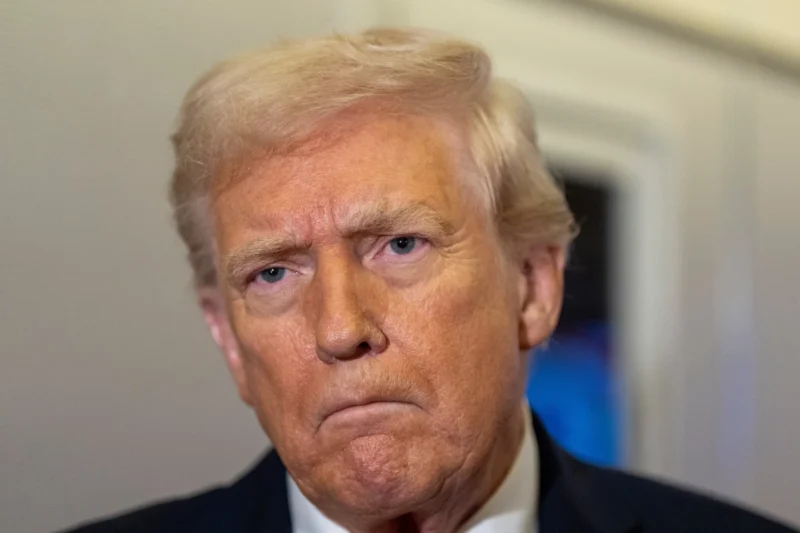
In June, President Donald Trump announced that citizens of 12 countries would be banned from coming to the United States and those from seven others would face restrictions. The decision resurrected a hallmark policy of his first term.
At the time the ban included Afghanistan, Myanmar, Chad, the Republic of Congo, Equatorial Guinea, Eritrea, Haiti, Iran, Libya, Somalia, Sudan and Yemen and heightened restrictions on visitors from Burundi, Cuba, Laos, Sierra Leone, Togo, Turkmenistan and Venezuela.
On Tuesday, the Republican administration announced it was expanding the list of countries whose citizens are banned from entering the U.S. to Burkina Faso, Mali, Niger, South Sudan and Syria.
The administration also fully restricted travel on people with Palestinian Authority-issued travel documents, the latest U.S. travel restriction against Palestinians. South Sudan was also facing significant travel restrictions already.
An additional 15 countries are also being added to the list of countries facing partial restrictions: Angola, Antigua and Barbuda, Benin, Ivory Coast, Dominica, Gabon, Gambia, Malawi, Mauritania, Nigeria, Senegal, Tanzania, Tonga, Zambia and Zimbabwe.
The restrictions apply to both people seeking to travel to the U.S. as visitors or to emigrate there.
The Trump administration said in its announcement that many of the countries from which it was restricting travel had “widespread corruption, fraudulent or unreliable civil documents and criminal records” that made it difficult to vet their citizens for travel to the U.S.
It also said some countries had high rates of people overstaying their visas, refused to take back their citizens whom the U.S. wished to deport or had a “general lack of stability and government control,” which made vetting difficult. It also cited immigration enforcement, foreign policy and national security concerns for the move.
The Afghan man accused of shooting the two National Guard troops near the White House has pleaded not guilty to murder and assault charges.
In the aftermath of that incident, the administration announced a flurry of immigration restrictions, including further restrictions on people from those initial 19 countries who were already in the U.S.
The news of the expanding travel ban is likely to face fierce opposition from critics who have argued that the administration is using national security concerns to collectively keep out people from a wide range of countries.
“This expanded ban is not about national security but instead is another shameful attempt to demonize people simply for where they are from,” said Laurie Ball Cooper, vice president of U.S. Legal Programs at the International Refugee Assistance Project.
Countries that were newly placed on the list of banned or restricted countries said late Tuesday that they were evaluating the news. The government of the island nation of Dominica in the Caribbean Sea said it was treating the issue with the “utmost seriousness and urgency” and was reaching out to U.S. officials to clarify what the restrictions mean and address any problems.
In justifying its decision Tuesday, the administration said several “U.S.-designated terrorist groups operate actively in the West Bank or Gaza Strip and have murdered American citizens.” The administration also said the recent war in those areas had “likely resulted in compromised vetting and screening abilities.”