- Agriculture
- No Comment
WFP: Zimbabwe’s food security improves on strong harvests, resilience programmes


By Agencies
HARARE: Zimbabwe’s food security situation showed notable progress in July 2025, supported by an above-average harvest, stabilisation of the local currency, and expanded resilience programmes, according to the latest World Food Programme (WFP) Markets Monitoring Report.
The report highlights a significant turnaround following the El Niño-induced drought of 2024, particularly in southern districts such as Beitbridge and Mwenezi.
WFP field monitoring teams observed evidence of recovery across much of the country, with maize meal accessible in 97% of markets and staple prices stabilising or falling.
“The government and its partners’ interventions, ranging from borehole drilling to the establishment of drought mitigation centres, have been instrumental in protecting the national cattle herd in the southern regions,” the WFP report noted.
In Matabeleland North and South, climate-smart livestock breeding programmes, intensified vaccination campaigns, and weekly dipping and pest control measures have restored confidence among farmers reliant on cattle for both income and draught power.
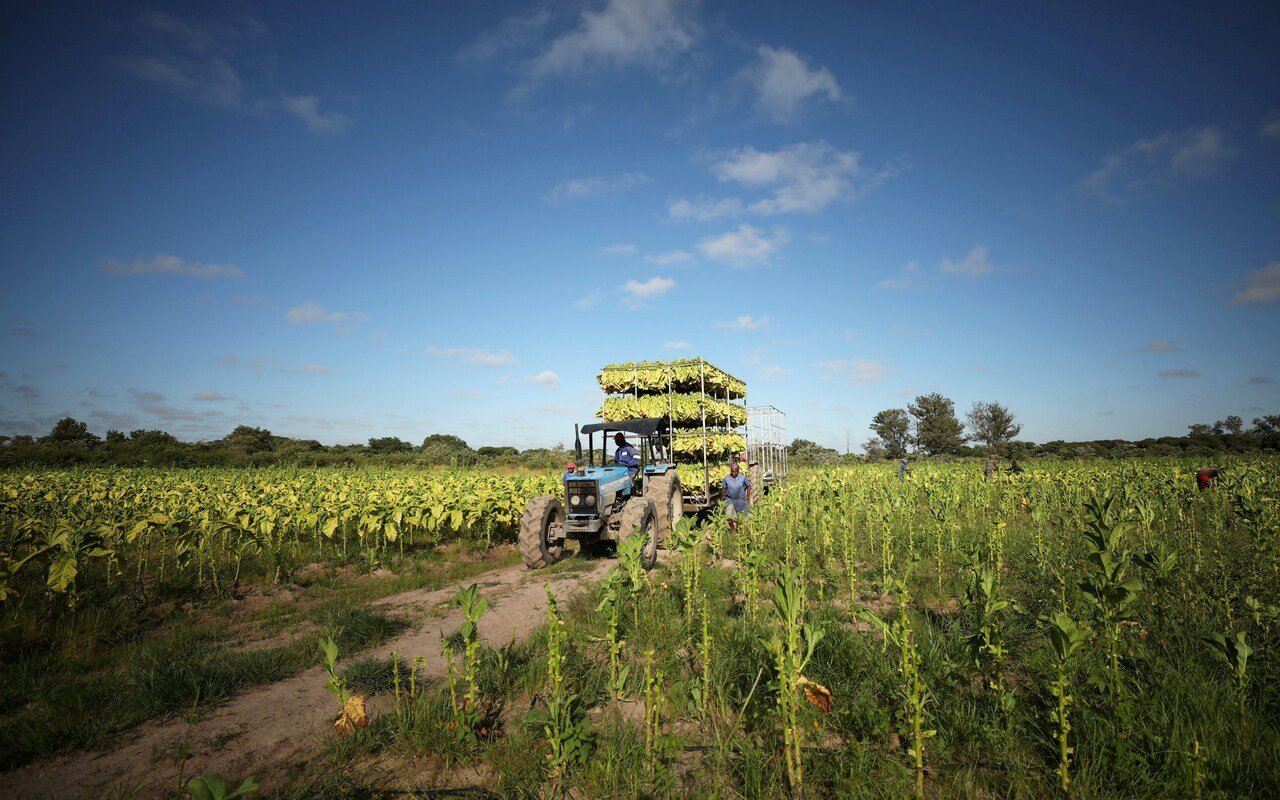
A bumper 2025 harvest has brought renewed optimism, particularly in Mashonaland West and Central, where households reported better food access due to strong maize and cotton yields.
In major urban markets such as Mbare Musika in Harare and Kudzanai in Gweru, maize grain prices were 30% to 40% lower compared with July 2024.
The decline in staple prices has been mirrored across both surplus and deficit-producing areas, significantly improving access for poor households.
The WFP also highlighted the role of Village Business Units (VBUs), which are increasingly transforming rural livelihoods.
Powered by solar irrigation and managed by women and youth, these units are producing vegetables such as cabbages and green peppers for local and urban markets.
In Mashonaland Central, VBUs are enabling communities to irrigate winter maize and vegetables, supplying markets including Mbare Musika and supermarkets. The initiatives are improving nutrition, generating income, and reducing rural poverty, while winter wheat farming is also gaining momentum.
Remittances remain another critical lifeline, with the Reserve Bank of Zimbabwe reporting an 8.4% increase in diaspora inflows during the first half of 2025 compared with the same period last year.
On the macro-economic front, WFP noted that Zimbabwe recorded a 1.6% month-on-month increase in consumer prices in July, higher than the 0.3% rise in June. Annual inflation was measured at 95.8%, up from 92.5% in June.
Globally, the FAO Food Price Index (FFPI) averaged 130.1 points in July, up 1.6% from June and 7.6% higher year-on-year, though still well below the March 2022 peak.
The report also noted that the Minimum Expenditure Food Basket averaged US$21.13 in July, down 4% from the previous month and relatively stable compared with July 2024. In local currency, the basket cost ZiG766.56 in July, compared with ZiG798.02 in June.
Overall, the WFP said evidence of recovery, coupled with community-driven resilience programmes and stable markets, is helping Zimbabwe transition from the effects of last year’s drought toward greater food security.
In July, the Zimbabwean Grain Marketing Board (GMB) announced that it has established nearly 2,000 grain collection points the country to facilitate crop delivery and strengthen national food security, following one of the country’s most abundant harvests in recent years.
The decentralisation effort aimed at reducing transport costs for farmers, minimising post-harvest losses, and ensuring timely grain intake from the 2024/2025 summer cropping season. The setup also responds to long-standing logistical challenges faced by rural producers.