- News
- No Comment
Zimbabwe Council of Churches formerly reject bid to extend Mnangagwa’s term; 19‑page objection submitted to Parliament


By APA News
The Zimbabwe Council of Churches (ZCC) has formally opposed the Constitution of Zimbabwe Amendment (No. 3) Bill, warning that the proposed changes represent a fundamental assault on democratic governance.
The amendment bill, introduced in February, seeks sweeping changes to the 2013 Constitution.
It proposes extending presidential and parliamentary terms from five to seven years and applying the extension to current officeholders, effectively pushing Mnangagwa’s tenure to 2030 without an election.
It also seeks to replace direct presidential elections with a system in which parliament elects the head of state in a joint sitting of both houses.
ZANU PF, which holds a commanding majority in Parliament, intends to pass the bill without a referendum, despite its provisions altering core elements of the constitution adopted through a national vote.
Public hearings held over the past weeks have been marred by reports of intimidation and the arrest of activists conducting civic education on the bill.
The church body submitted a 19‑page objection to Parliament, urging lawmakers to withdraw or radically revise the legislation.
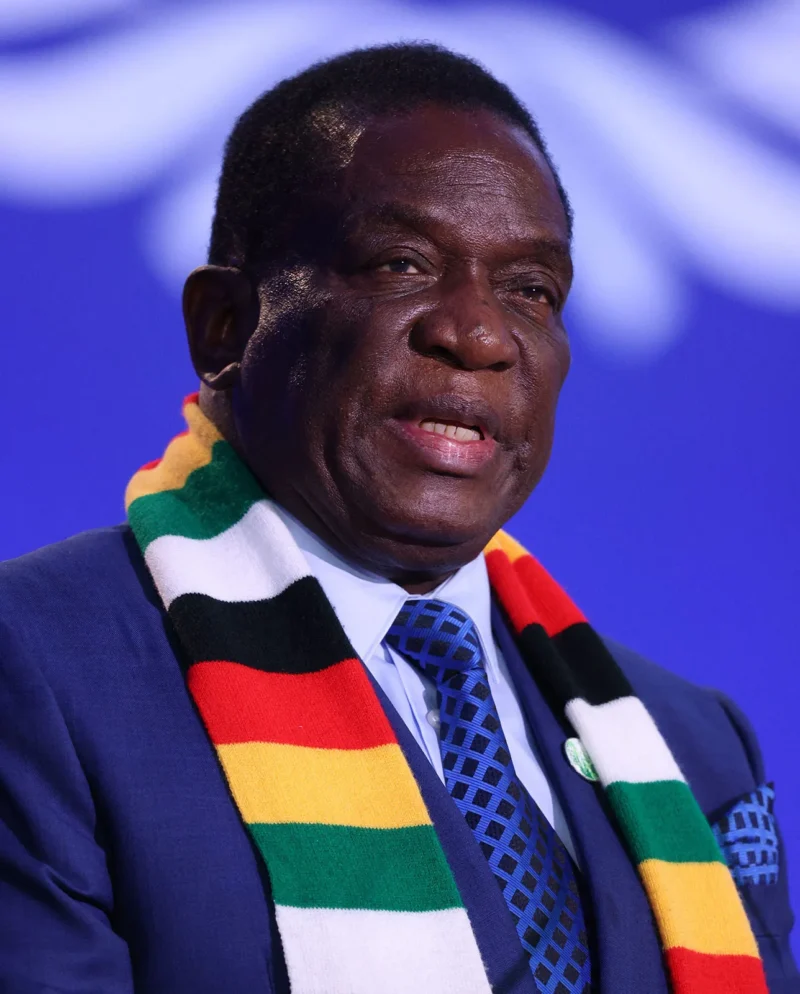
In its submission, the ZCC – representing 32 denominations and more than three million congregants – said the bill “concentrates executive power” and amounts to “a fundamentally anti‑democratic restructuring” of the state.
It argued that extending Mnangagwa’s term contradicts his repeated public commitments to step down after two five‑year terms, adding that “leadership is stewardship, not ownership.”
The churches also criticised proposals allowing the president to appoint 10 additional senators, warning this could hand the ruling party a guaranteed two‑thirds majority capable of altering the constitution at will.
They raised alarm over transferring voter registration from the Zimbabwe Electoral Commission to the Registrar‑General, an office appointed by the executive, calling it a reversal of “hard‑won electoral integrity safeguards.”
Other provisions targeted by the ZCC include abolishing the National Peace and Reconciliation Commission and removing the Defence Forces’ explicit obligation to uphold the constitution.
The ZCC said the bill undermines stability rather than strengthening it, arguing that “stability built on constitutional manipulation is not stability; it is deferred crisis.”
The church body recommended that parliament withdraw the bill or subject it to an independent amendment commission.
Parliament is expected to debate the bill next month after the conclusion of the 90‑day consultation period, with ZANU PF signalling its intention to push it through despite mounting public resistance.